RG-2026-014
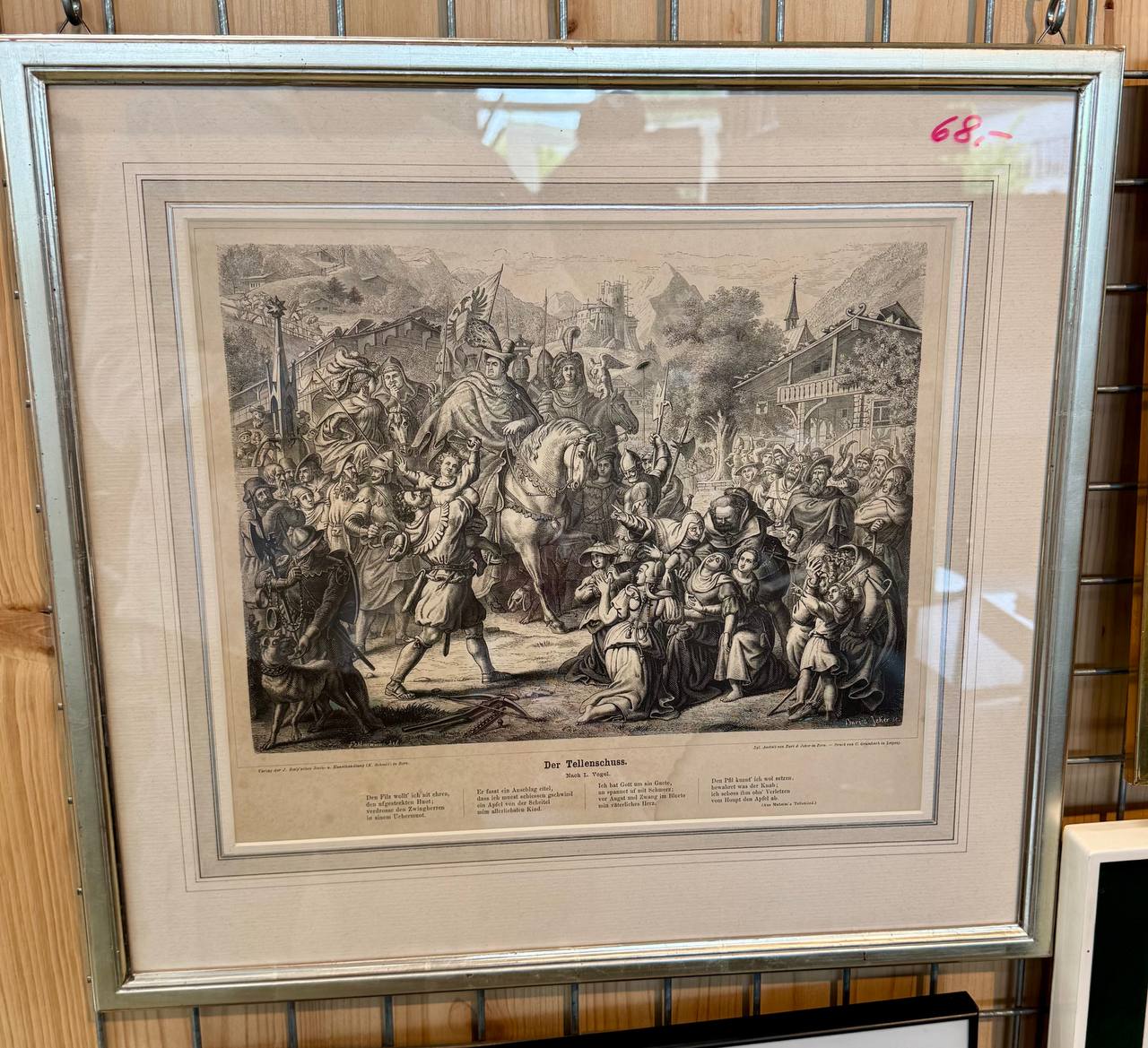
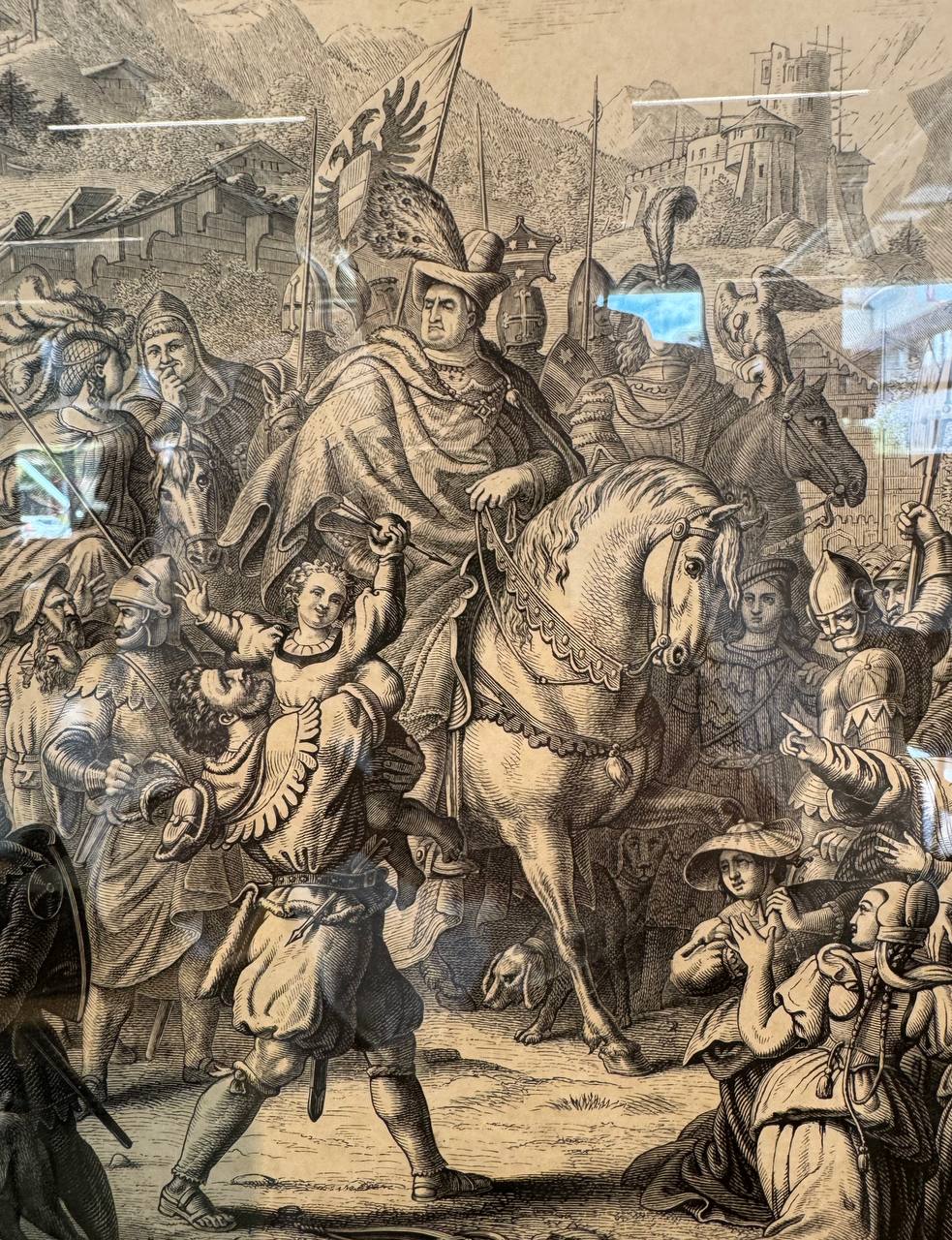
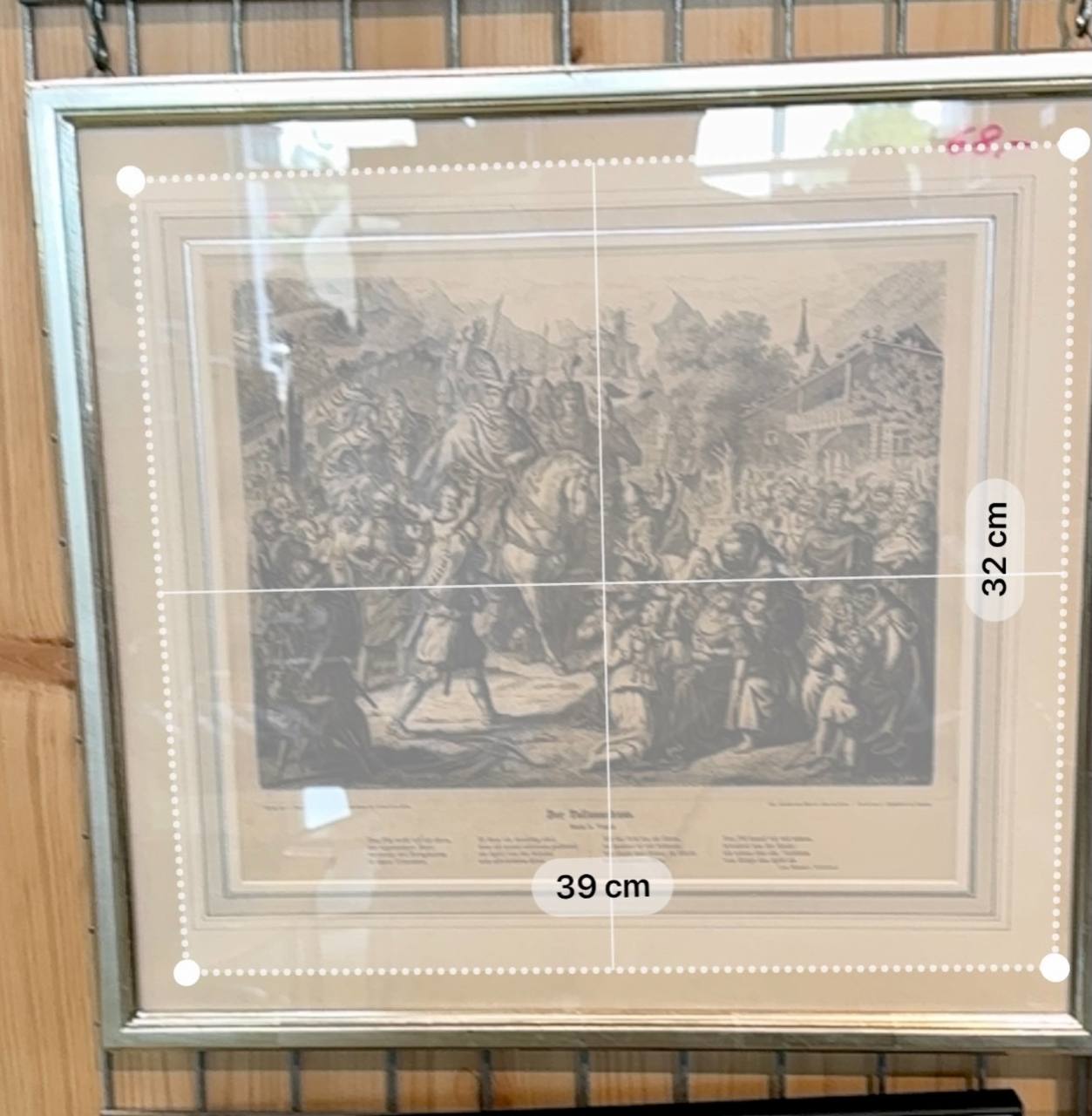
The Plate Shot – Historical Woodcut after Ludwig Vogel, Xylographic Institute Burr & Jeker Bern.
ca. 1860–1880

About the Work
Ludwig Vogel's depiction of Tell is one of the most widely recognized visual icons of the Swiss national myth in the 19th century. The Bernese woodblock printing firm Burr & Jeker was one of the most esteemed workshops of its kind in Switzerland—prints from their establishment circulated in schools, civic homes, and community venues as symbols of the Swiss spirit of freedom. This work artfully merges high-quality printing techniques with the emotional resonance of Schiller's Tell narrative and Maheim’s verses in the Swiss German original.
Collector Interest
Wilhelm Tell is one of the most recognized symbols of Switzerland worldwide—comparable to the Rütli Oath or the Matterhorn. For buyers from the USA, Japan, or other European countries, an authentic 19th-century print of this subject represents a tangible piece of Swiss identity history. It is especially appealing to collectors of historical national imagery, Schiller enthusiasts, and Switzerland lovers around the globe.
Provenance
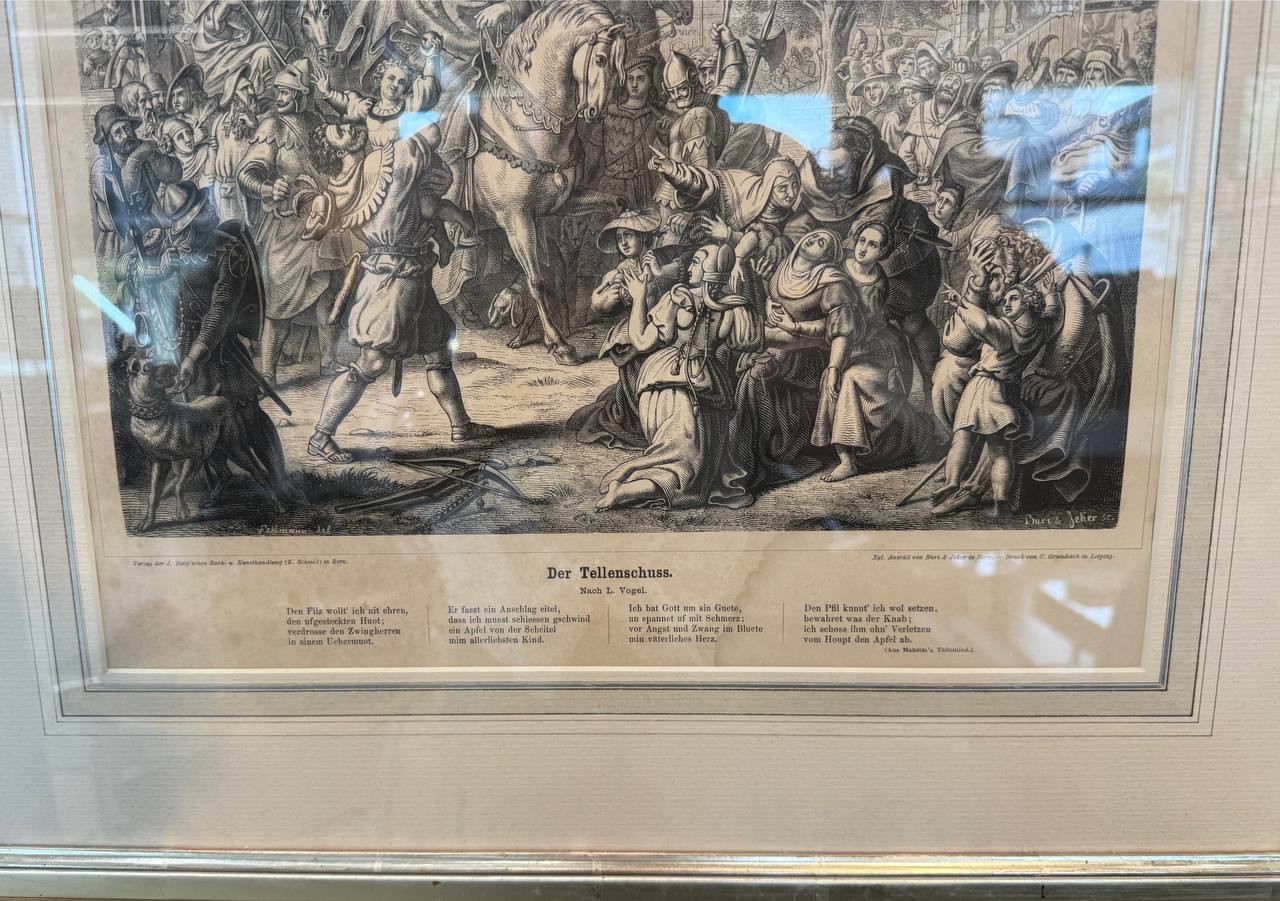
From a Swiss private collection: This carefully framed woodcut exhibits all the characteristics of a high-quality Bürgerhaus print from the golden age of Swiss printmaking. The publisher Dalp in Bern and the renowned Xylographic Institute Burr & Jeker represent first-class Bernese publishing art from the second half of the 19th century. The four Swiss-German stanzas beneath the image – from Maheim's Tell song – transform the print into a cultural-historical document, elevating it beyond mere wall decoration.
Inscriptions
Titel: 'Der Tellenschuss.' / 'Nach L. Vogel.' / Links unten: 'Verlag der J. Dalp'schen Bank- u. Kunsthandlung (K. Schmid) in Bern.' / Rechts unten: 'Xyl. Anstalt von Burr & Jeker in Bern. – Druck von C. Grundach in Leipzig.' / Stecher-Signatur im Bild: 'Feldtmann delt.' und 'Burr & Jeker sc.' / Verse (vier Strophen, Mundart): 'Den Pilz wollt ich nit ehren, den ufgesteckten Huot; verdrosse den Zwingherren in sinem Uebernuot.' / 'Er fasst ein Anschlag eitel, dass ich muest schiessen gschwind ein Apfel von der Scheitel nim allerliebsten Kind.' / 'Ich bat Gott um sin Guete, un spannet uf mit Schmerz; vor Angst und Zwang im Bluete min väterliches Herz.' / 'Den Pfil kunnt ich wol setzen, bewahrst was der Knab; ich schoss ihn ohn Verletzen vom Houpt den Apfel ab.' / (Aus Maheim's Tellenlied.)